A Greener Cambodia Starts in the Field
BRM Team
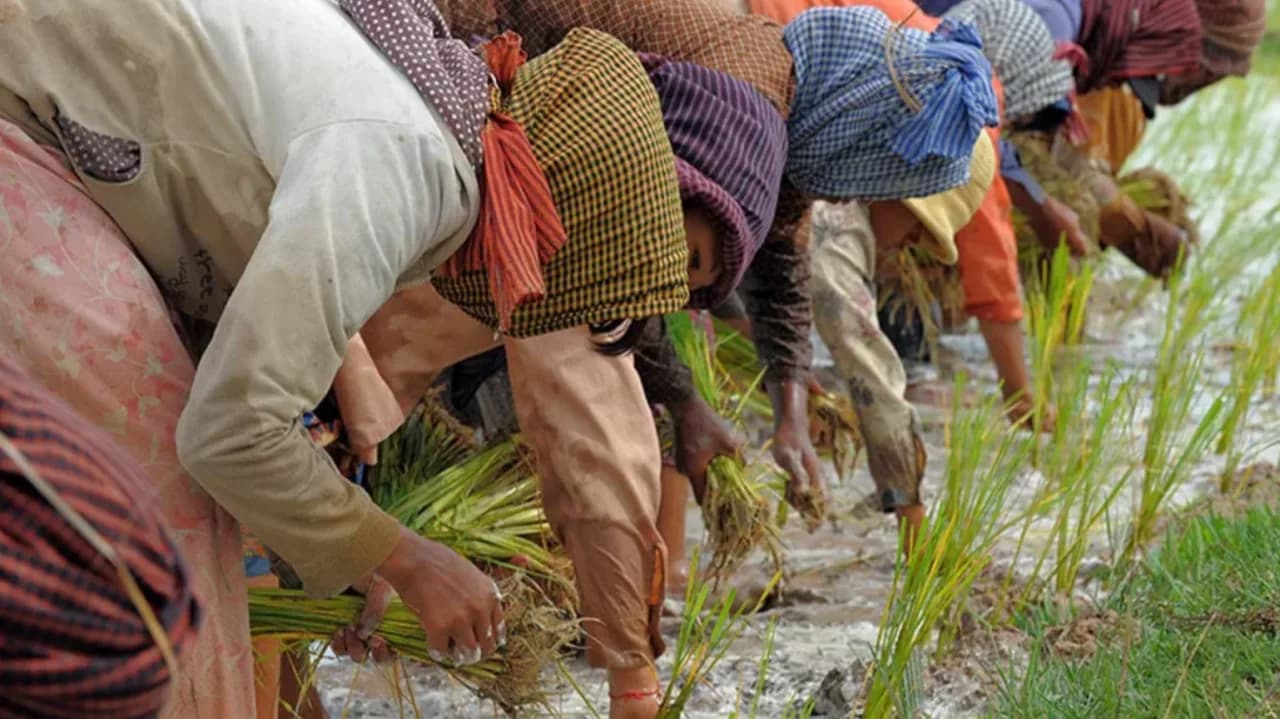
TABLE OF CONTENTS
SHARE
Before Cambodia's fields turn green, farmers face the numbers.
The rains are starting. Soon the country will look the way visitors picture it: rice paddies flooded silver in the morning light, palm sugar trees standing in water, the whole landscape softened by green. The 2026 Visit Cambodia in the Green Season campaign will run from May to October, and it will be beautiful.
But for the people who actually grow the food, the green season looks different. It begins with arithmetic.
A recent Cambodianess report described what those numbers look like this year. In Svay Rieng, a farmer named Lohn Tha said a 50 kg bag of fertilizer has gone from 130,000 riel to 150,000 riel in three months, a jump of 25 to 30 percent. He uses around 250 kg per season. He is now considering skipping the dry-season high-yield rice altogether because, in his words, the rising cost of fertilizer and fuel will kill them. The same report noted that Cambodia spent roughly 636 million dollars in 2025 importing fertilizer and pesticide, with around 419 million of that on chemical fertilizer alone.
So the question isn't only whether the rain will come. It's whether the season can still pencil out.
For agriculture, the start of the rainy season isn't a mood. It's a decision point. What to plant, how much fertilizer to buy, how to pay for the fuel, the labour, the irrigation, the machinery, the transport. It's risk taken months before the harvest exists, and according to peer-reviewed data citing the Global Rice Science Partnership, around three-quarters of Cambodia's annual rice output comes from this single wet-season cycle. What gets decided in May shapes the country's food supply for the year.
May 1 is also International Labour Day, which makes the timing harder to ignore.
Cambodia's rice sector isn't built by land. It's built by people: farmers walking their fields before sunrise, irrigation operators, mill workers, drivers, technicians, warehouse and quality-control teams, exporters, traders. Heat, uncertainty, rising input costs, flat farm-gate prices. The work happens anyway.
But labour alone can't absorb costs that keep climbing. At some point the system itself has to do more of the work.
That is where the meaning of "green season" needs to expand. A greener Cambodia can't only mean a beautiful country to visit. It has to mean healthier soil, smarter input use, less waste between field and mill, better water management, traceability that rewards quality, and a sector that protects the people inside it from absorbing every shock alone. Greener fields are easy to photograph. Greener systems are harder to build, and they are what actually keeps farms viable.
At BRM Agro, we believe Cambodia's green future has to be built from the field upward.
The conversation right now isn't only about rain. It's about resilience. It isn't only about Labour Day. It's about the labour behind every harvest. It isn't only about a green season for visitors. It's about building a greener system for the people who feed the country.
This Labour Day, BRM Agro recognises the farmers, field teams, mill workers, technicians, drivers, warehouse and quality-control teams, and partners who keep Cambodia's rice sector moving, season after season.
A greener Cambodia starts in the field.
Other Insight You Might Like...
27 September 2026
Hall 8, Stand C016
BRM Agro takes White King Elephant rice to SIAL Paris, Hall 8, stand C016, 17 to 21 October 2026, and the 2027 EU rice safeguard every buyer will ask about.
8 September 2026
The Export Standard Just Arrived in the Domestic Market
Cambodian goods went from 3 percent of the domestic market to about 30 percent, but total industrial output fell. The share moved, the pie shrank, and traceability is what decides who keeps the shelf.
